

19Dec
Tilt Sensor Module SW520D
🤔 What is a Tilt Sensor?
A tilt sensor (also called a ball switch or mercury switch) is a digital switch that changes its output based on orientation. When tilted beyond a certain angle, the internal mechanism (metal ball or mercury drop) makes or breaks contact, changing the signal.
📌 Key Features:
- Simple ON/OFF output
- Detects if the object is upright or tilted
- Digital signal (HIGH or LOW)
- No orientation angle info — only tilt or no tilt
📦 Types of Tilt Sensors:
| Type | Inside it | Behavior |
|---|---|---|
| Metal ball type | Rolling metal ball | Conducts when level |
| Mercury type | Liquid metal drop | Conducts when tilted |
| MEMS Tilt Module | Accelerometer-based | Gives angle info |
We’ll focus on the basic ball type, which is easiest to use with ESP32.
🧰 Components Needed:
- ESP32 board
- Tilt sensor module (KY-017, SW-520D, or similar)
- Jumper wires
- LED (optional for output)
🧪 How It Works:
- Inside the sensor is a small metal ball.
- When upright → ball connects two metal contacts → Circuit closed → Output LOW
- When tilted → ball breaks contact → Circuit open → Output HIGH (or floating)
Some modules have built-in pull-up resistors and LED to indicate state.
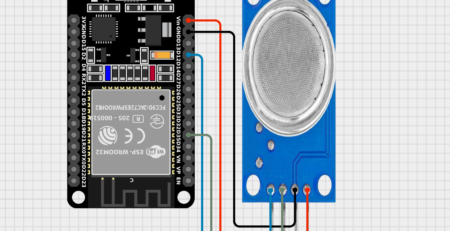
🔌 Wiring Tilt Sensor to ESP32
| Tilt Sensor Pin | ESP32 Pin |
|---|---|
| VCC | 3.3V or 5V |
| GND | GND |
| OUT | GPIO 14 (or any digital pin) |
🧠 What This Code Does:
- Reads digital value from the sensor.
- If LOW: the sensor is upright.
- If HIGH: the sensor is tilted.
- LED shows the state.
💡 Real-world Applications
| Use Case | Description |
|---|---|
| 🛠️ Anti-Tamper Alarm | Alert when a box/device is moved |
| 🔒 Laptop Security | Lock or alert if tilted or stolen |
| 🎮 Game Controller | Basic motion control in DIY games |
| 🛑 Vehicle Crash Alert | Detect if a device tips over |
| 📦 Package Monitoring | Detect tilting during delivery/shipping |
🛠️ Sensor Not Working? Troubleshooting:
| Problem | Fix |
|---|---|
| No response | Check VCC, GND, and OUT connection |
| Inverted readings | Try changing logic (HIGH/LOW check) |
| Floating output | Add external pull-up/down resistor |
| No LED on module | Try tilting more or check supply voltage |
HOW TO OPERATE

// #include <LiquidCrystal_I2C.h>

#define MOI 15

// LiquidCrystal_I2C lcd(0x27,20,4);  // set the LCD address to 0x27 for a 16 chars and 2 line display


void setup() {
 pinMode(MOI,INPUT);
  Serial.begin(9600);
  Serial.println("MOISTURE START");
// lcd.init();
//  lcd.backlight();
//   lcd.setCursor(3,0);
//   lcd.print("moisture data");
//   lcd.setCursor(3, 1);
}

void loop() {

 int data=analogRead(MOI);
 Serial.println(data);
// lcd.print(data);
 delay(1000);
//  lcd.clear();

}



Leave a Reply
You must be logged in to post a comment.